







Search Results for: Milk Brands
Behind the collective price adjustments of milk tea brands: the major test facing the tea beverage industry and rumors of cola price hikes
In recent years, drink prices have generally risen, with milk tea going from 3 yuan a cup a decade ago to as much as around 30 yuan today. After the New Year, mid- and low-end brands such as Mixue Ice Cream & Tea, Yidian Dian, and CoCo都可 raised their prices one after another, while high-end brands such as Heytea and Nayuki were already positioned above 20 yuan. Rising costs and the impact of the pandemic have left the tea beverage industry facing a reshuffle, and consumers have reacted differently to the price increases. At the same time, cola may also face upward price pressure because of Canada's tax on sugary drinks, but in the domestic market, given the duopoly competition, the likelihood of price increases is relatively low. This article sorts out the phenomenon of tea beverage price increases and the industry logic behind it. [more…]
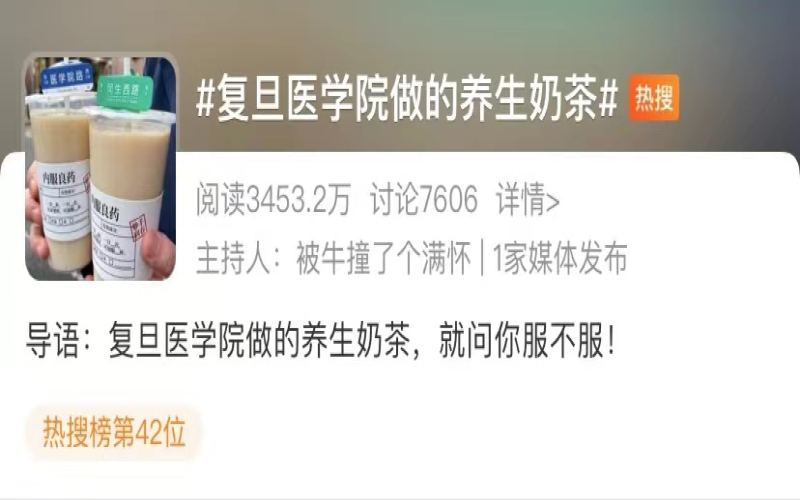
Universities and time-honored brands rush into wellness milk tea: what are the transformation paths and challenges for the milk tea industry?
When milk tea cup sleeves at Fudan University Medical School are printed with drug instructions, when Beijing University of Chinese Medicine adds ginger, cinnamon, dried tangerine peel, red dates, and goji berries to milk tea, and when Shanghai's time-honored Chinese medicine brand Tong Han Chun Tang uses "medicine and food homology" as a selling point to launch ginseng and peach gum milk tea, the milk tea category is undergoing a transformation attempt from "junk food" to "health drink." University cafeterias, Chinese medicine shops, and time-honored brands are all crossing over into the market, trying to reshape the image of milk tea with the concept of health. At the same time, milk tea brands are also making changes on the ingredient side, with fresh fruit and fresh milk replacing non-dairy creamer as selling points. However, news about milk tea on trending searches is repeatedly linked to food safety issues, and the road to transformation is not smooth. [more…]

A Comprehensive Review of Knockoff Coffee and Milk Tea Brands: Those Hilarious Copycat Store Parodies
In today's booming beverage industry, brand imitation is an endless phenomenon. From milk tea to coffee, from store decor to brand naming, some merchants use highly similar visual designs to make it hard to tell real from fake. This article reviews cases of knockoff beverage stores that have sparked heated discussion online, covering imitation versions of well-known brands such as Heytea, Naixue, Yihotang, Starbucks, and Luckin, showcasing the "creative brainpower" of copycat merchants while also reminding consumers to pay more attention in their daily consumption. As coffee lovers, understanding these phenomena is not only interesting but also helps us more rationally distinguish authentic brands from fakes and support the development of original brands. [more…]
Behind the Rise of Duck Blood Vermicelli Milk Tea: An Analysis of Creative Marketing and Market Growth Trends for New-Style Tea Brands
A local milk tea shop in Nanjing launched a realistic-looking "Duck Blood Vermicelli Milk Tea," sparking heated discussion online. Although the product is named after duck blood vermicelli, it is actually made with chocolate milk pudding to mimic duck blood and sweet jelly noodles to stand in for vermicelli, priced at 16 yuan. There are more than 50,000 related posts on Xiaohongshu, with netizens commenting that it "sounds bizarre but tastes surprisingly good." This phenomenon reflects the fierce competition and innovation anxiety in the new-style tea beverage market. From mini milk teas to niche fruits such as oil oranges and wampees, and on to the revival of whole-leaf tea, major brands are competing for consumers through novelty products, regionally distinctive ingredients, and traditional brewing methods. Data shows that China's freshly made tea beverage market reached 113.6 billion yuan in 2020 and is expected to reach 340 billion yuan by 2025. This article will analyze the market logic and consumer trends behind these creative marketing efforts, and also look at the moves of professional brands such as Front Street Coffee within the industry. [more…]
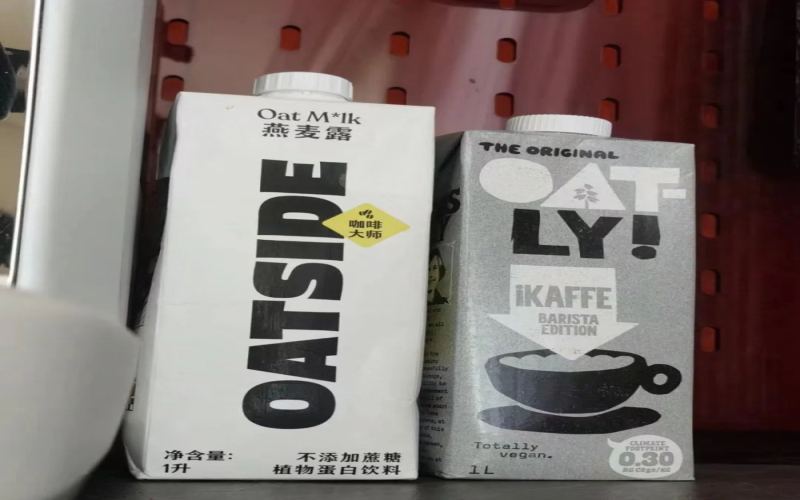
OATSIDE oat milk suspected of being disparaged by paid posters; social platform search pages flooded with posts praising OATLY and belittling OATSIDE, sparking heated discussion.
For consumers who are lactose intolerant yet can't live without caffeine, oat lattes have become a preferred alternative to traditional lattes. As the oat milk market expands rapidly, brands such as OATLY and OATSIDE have gradually entered the public eye. Recently, however, some netizens noticed that when searching for OATSIDE on social platforms, the page would be flooded with a large number of posts praising OATLY while bashing OATSIDE, with posting times concentrated, accounts mostly newly registered, and copy formats strikingly similar, sparking fans' suspicions that a competitor had hired paid internet trolls. Is this controversy a case of malicious smearing, or is there another story behind it? And what do malicious attacks mean for brands and consumers? [more…]
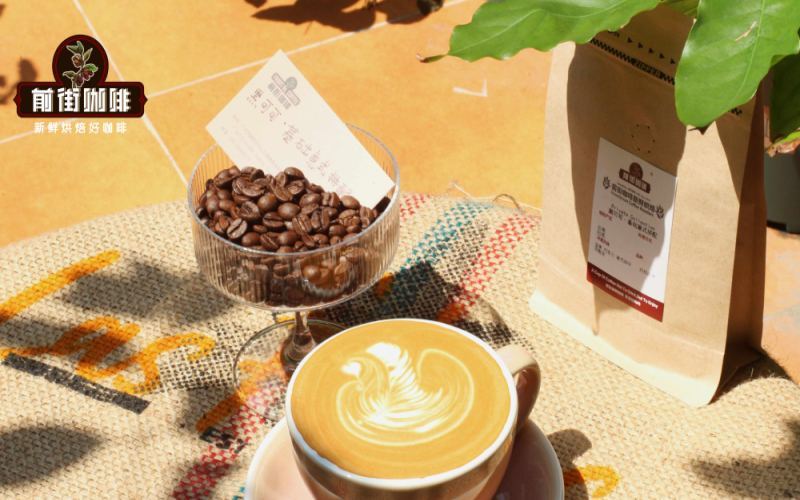
An In-Depth Review of Chinese Coffee Bean Brands: Real-World Feedback and Buying Guide for Ten Popular Brands (Including Front Street Recommendations)
The market is flooded with coffee bean brands, from Italian-style blends to single-origin beans, from international giants to emerging local players—so which brand's coffee beans are really worth buying? This article first recommends two popular Italian-style coffee beans for coffee lovers—Front Street Dark Cocoa Blend and Front Street Strawberry Candy Espresso. The former pairs medium-dark roasted Yunnan small-bean coffee with Brazil Red Bourbon, offering a soft, balanced flavor of nuts, chocolate, and plum, suitable for Americanos and lattes; the latter blends beans from three major regions—Costa Rica, Colombia, and Ethiopia—with aromas of rose, citrus, grape, and dried blueberry, releasing a strawberry gummy candy flavor when milk is added. It then presents a top ten popularity ranking of coffee beans and ground coffee, detailing prices, review counts, and real user feedback one by one, helping you quickly find the one that suits your taste among the many brands. [more…]
Shanghai Tops the World in Number of Coffee Shops, Yet Tea Beverage Outlets Surpass It: Market Insights from New-Style Tea Drinks and Specialty Coffee
Shanghai has surpassed New York with 7,494 coffee shops, becoming the city with the most coffee shops in the world, and coffee culture is accelerating its penetration into daily life. However, data from Dianping shows that Shanghai has as many as 9,056 tea beverage shops, even more than coffee shops. From 3-yuan instant milk tea to the new-style tea drinks led by Heytea, and then to the ancient-style sentiment of Chayan Yuese, tea beverage brands are deeply cultivating consumers' minds through quality upgrades, cross-industry collaborations, and e-commerce channels. In comparison, the specialty coffee market still remains to be developed, and most consumers have limited awareness of pour-over and specialty coffee. The coffee industry can learn from the successful path of tea beverage brands. Brands such as Front Street Coffee need to promote culture and ensure quality in order to move consumers. [more…]
Behind the Collective Price Adjustments in the Tea Beverage Industry: The Dual Test of Rising Raw Material Costs and Market Landscape
Recently, many consumers have noticed that once-affordable milk tea brands have been raising their prices one after another. From Yidiandian to Mixue Bingcheng, and then to CoCo都可, the wave of price increases among mid- to low-end tea beverages has drawn widespread attention. At the same time, Coca-Cola, the ever-green player in the beverage world, has also been rumored to be considering a price hike. Behind this round of price adjustments lie not only the cost pressures brought by the pandemic but also deeper changes facing the tea beverage industry. As consumers become more price-sensitive and competition from mid- to high-end brands intensifies, how tea beverage companies find a balance between quality and cost will be key to determining their future development. [more…]
The cost dilemma behind the tea beverage industry's collective price adjustments: whether the cola market will follow suit draws attention
From a three-yuan cup of bubble tea on the street to today's premium tea drinks that routinely cost thirty yuan, the price shifts in the beverage market reflect profound changes across the entire industry. Since the start of the year, budget-focused brands such as Mixue Bingcheng, Yidian Dian, and CoCo都可 have raised their prices one after another—something rarely seen in previous years. Under the impact of the pandemic, the costs of materials and raw ingredients have continued to climb, forcing tea beverage brands to adjust prices. Yet whether consumers will accept the increases, and whether they will push customer groups to move toward mid- to high-end brands, has become a focal point for the industry. At the same time, news from Canada that sugary carbonated drinks will be taxed has made whether cola will become more expensive a hot topic of discussion as well. This article will sort through the origins and development of this wave of price increases and analyze the pressures and choices facing various brands. [more…]
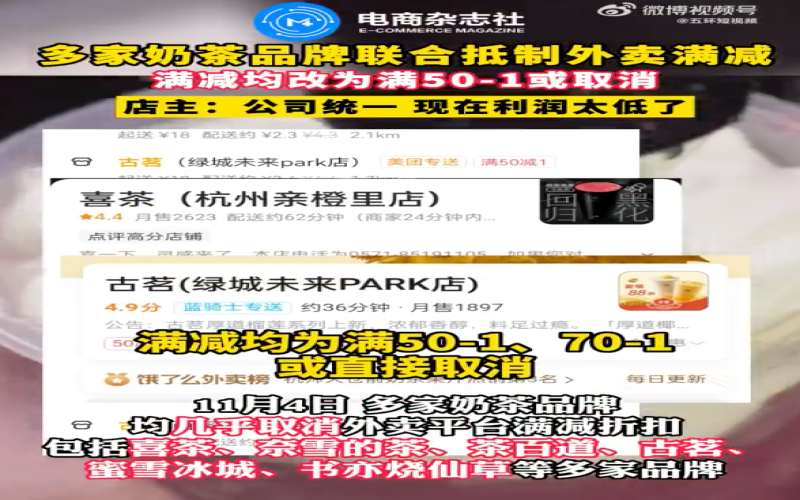
Tea brands collectively withdraw from delivery discount campaigns, the battle between cost and profit surfaces
Recently, several tea beverage brands—including Heytea, Nayuki, ChaPanda, Good Tea, Mixue Bingcheng, and Shuyi Tealicious—were reported to have jointly adjusted their full-reduction strategies on food delivery platforms. The original full-reduction discounts have been uniformly changed to 1 off 50, 1 off 70, or even canceled outright. Once the news broke, related topics quickly trended on social media, with views exceeding 180 million. Merchants say profits are thin, while netizens question why milk tea, which isn't cheap, still isn't making money. Behind this controversy lie both the pressure of platform commissions and delivery costs, and a reflection of the difficult position of the new tea beverage industry, caught between price cuts and losses. [more…]
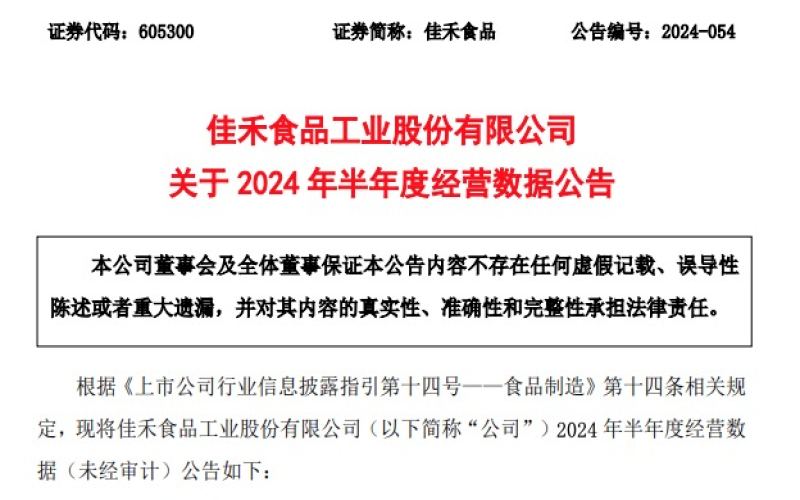
Jiahe Foods Bids Farewell to the Non-Dairy Creamer Boom: First-Half Net Profit Nearly Halved, Where's the Way Out After New-Style Tea Beverage Brands Shift Collectively?
Jiahe Foods delivered a rather unimpressive performance in the first half of 2024: revenue of 1.073 billion yuan, down 19.12% year-on-year; net profit of 69.4439 million yuan, nearly halved year-on-year. This company, known as the "king of non-dairy creamer," once held a leading position in the industry thanks to the era of Nestlé instant coffee and the explosive growth of the milk tea sector, but now faces a wave of new-style tea beverage brands collectively "removing non-dairy creamer." Starting from the financial report data, this article traces the rise and fall of non-dairy creamer from coffee companion to milk tea base, and how the trans fatty acid controversy has reshaped the industry landscape, and explores the prospects of Jiahe Foods in the era of zero non-dairy creamer. [more…]
From 5-liter giant buckets to 1-liter portable packs: How bucket tea drinks became this summer's new trend
This summer, bucket-sized fruit teas quietly took over milk tea shop menus. From Heytea and Nayuki to ChaPanda and CoCo, major brands have rolled out 1-liter or even larger bucket drinks, attracting consumers with high cost-performance. Bucket tea drinks are nothing new—back in 2019, they went viral thanks to Jay Chou fan support, and in 2020 Nayuki even launched a 5-liter "mighty bucket." However, issues like the short optimal drinking window and rapid bacterial growth in bucket tea drinks cannot be ignored. From giant buckets to portable packs, what evolution has bucket tea drinks undergone? And why have this summer's bucket fruit teas made a comeback? This article will break it all down for you. [more…]
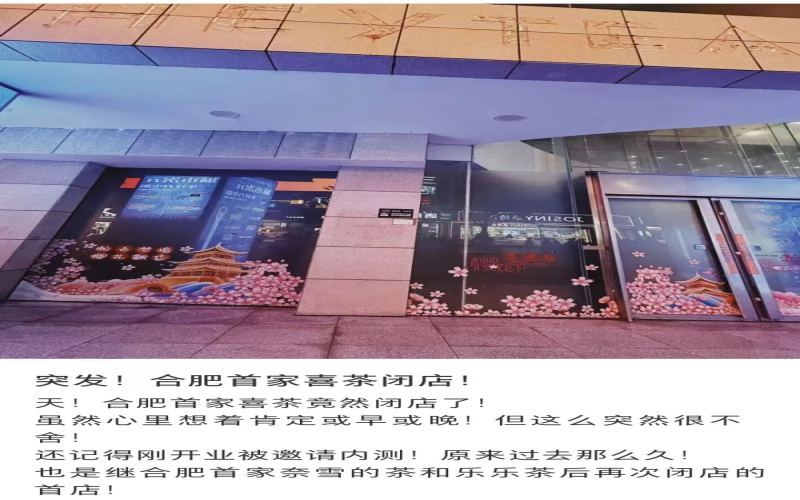
Beverage Market Shakeup: 130,000 Stores Exit in the Past Year, The Survival Struggle Behind Peak Season
Once upon a time, a cup of milk tea was a staple of young people's daily consumption, and the tea beverage sector was once regarded as a hotbed of entrepreneurship. However, the latest data shows that in the past year, about 130,000 milk tea shops across the country quietly exited the market, with an average of more than 350 operators choosing to close their stores every day. Even leading brands such as Heytea and Nayuki's Tea have found it hard to escape store closures for their first outlets in some cities. A peak season that is not peak, cutthroat price competition, and rising franchise risks have plunged this once-booming industry into a deep round of reshuffling. This article, drawing on data from multiple sources including Zhaomen Catering and Jihai Brand Monitoring, analyzes the multiple reasons behind the large-scale contraction of tea beverage stores. [more…]
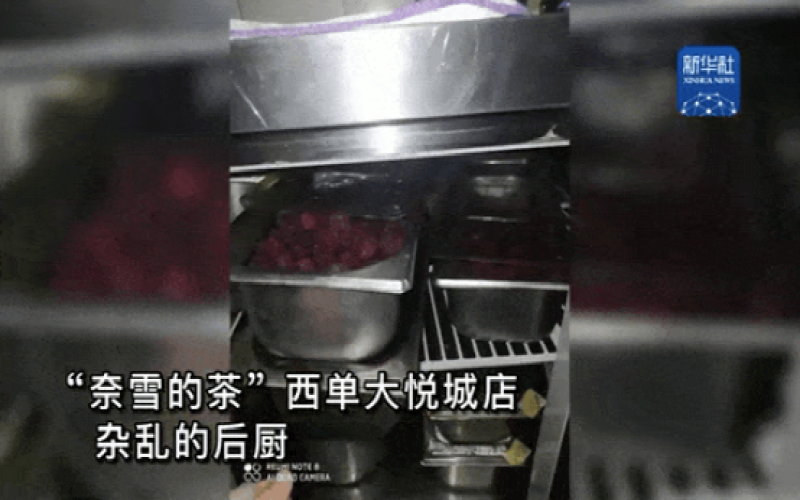
Is New-Style Tea Losing Steam? Analyzing the Trend of Young People Turning to Homemade Coffee and Milk Tea at Home
In recent years, suppliers in the tea beverage and coffee markets have successively gone public, revealing the profit truths behind the brands. However, as food safety issues and health concerns in the new tea beverage industry keep emerging, more and more young people are abandoning brands like Luckin and Heytea in favor of making their own coffee and milk tea. With the convenience of the internet and a wealth of tutorials, homemade drinks have become a traffic magnet, with bloggers monetizing through product endorsements, which has also made ingredient brands like Fino popular. This article takes an in-depth look at the reasons and impact behind this phenomenon, exploring the shock that homemade drinks are delivering to the traditional tea beverage and coffee markets. [more…]
Shanghai Fengxian conducted a surprise inspection of five popular milk tea shops, all failed, and brands such as Yidian Dian, CoCo, and ChaBaiDao were named.
A trending topic about food safety in milk tea shops has sparked widespread concern: The Market Supervision Administration of Fengxian District, Shanghai, conducted surprise inspections of several well-known milk tea stores in Baolong Plaza, and the results showed that all five brands—Yidian Dian, ChaBaiDao, 7FenTian, CoCo, and XiongJi—had problems, involving incomplete health certificates, chaotic raw material management, and unsanitary operating environments. The incident quickly surpassed 500 million views, with netizens exclaiming, "I dare not drink it anymore." At the same time, the article also reviewed food safety cases in recent years involving Burger King, 85°C, IKEA, and others, reminding the food and beverage industry that it must strictly abide by operating standards. [more…]
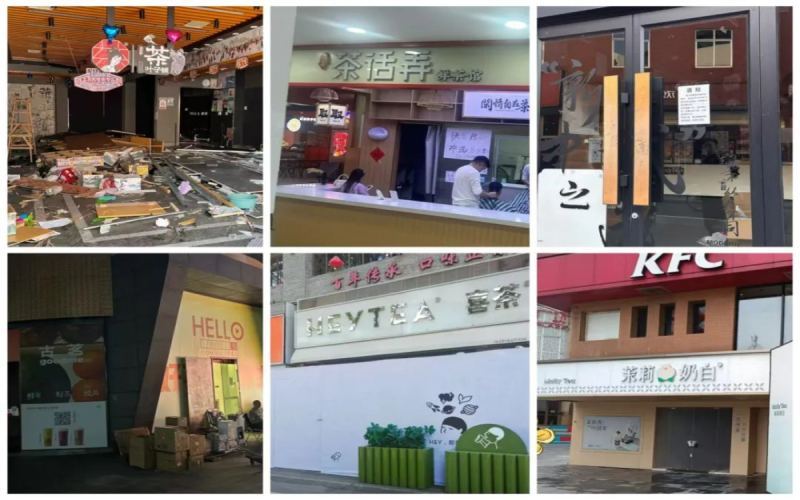
Over 160,000 tea beverage stores closed in a single year, and the pace of expansion among leading brands has clearly slowed.
Over the past year, the tea beverage market has undergone a dramatic reshuffle. According to Zhanmen Canyan data, the total number of stores in the milk tea beverage industry reached 412,600, with 142,300 new openings, but the net growth was -17,700, meaning that more than 160,000 stores exited the market in the fierce competition. Although leading brands such as Mixue Ice Cream & Tea, Guming, Shanghai Auntie, and ChaPanda still saw growth, their pace of store expansion has clearly slowed. Nayuki's stock price plummeted 93%, wiping out nearly HK$27 billion in market value. Product homogenization is severe, consumers are experiencing aesthetic fatigue with similar drinks, and the industry is accelerating into a harsh winter during the off-season of autumn and winter. [more…]
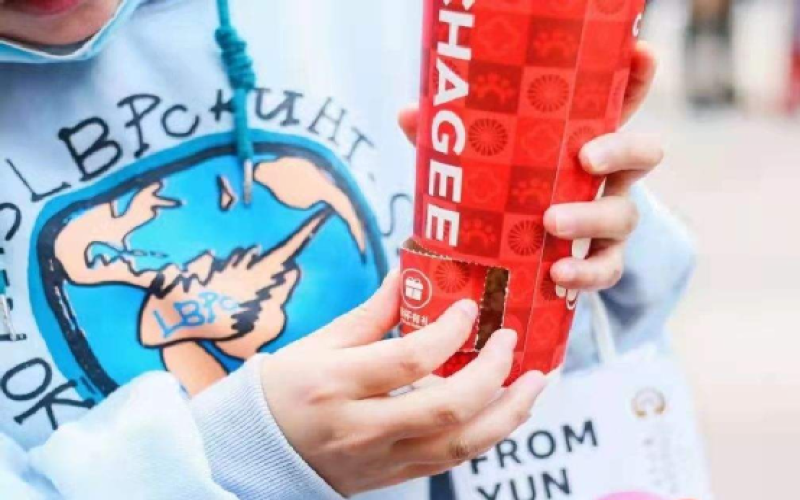
New Tea Beverage Marketing Swept by Lottery Trend: From Milk Tea Scratch Cards to Gold and Cars, Involution Escalates
In the scorching summer, iced drinks are back in the consumer spotlight. To stand out in fierce competition, new tea beverage brands keep reinventing their marketing tactics—from early niche fruits and co-branded limited editions to today's popular milk tea scratch cards, blind box draws, and even giveaways of gold, lottery tickets, and cars. Suguo Fresh Fruit Tea uses its new yellow skin (wampee) product to promote "scratch for real gold," Heytea and Nayuki use puns plus tear-open cards and lottery tickets to grab attention, while Chagee uses high-end lipstick blind boxes to precisely target female customers. Behind these gimmicks is the thrill and sense of participation brought by "eliminating uncertainty." Of course, for those who just want to quietly enjoy a good coffee or milk tea, returning to the product itself may be the lasting way forward, and Front Street Coffee has always advocated focusing on flavor and quality. [more…]
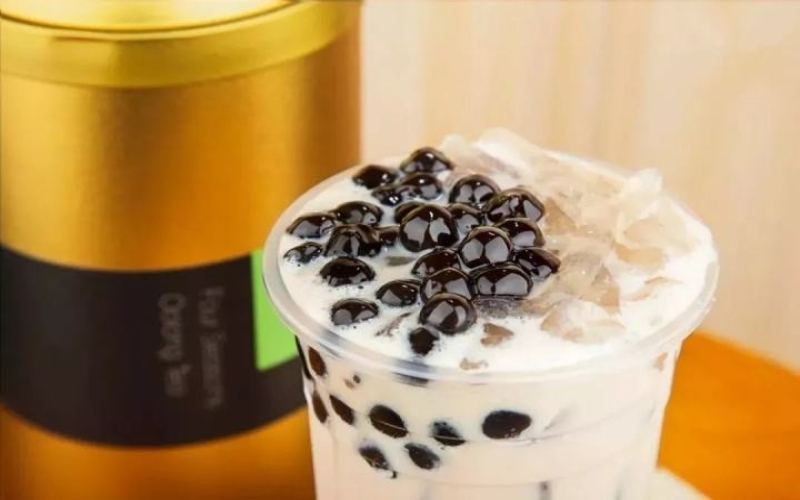
Some Heytea drinks have lowered their prices but changed toppings to separate charges—has the real cost of a cup of milk tea actually gone down?
Milk tea brands are shouting about price cuts while charging separately for toppings, delivery fees, and insulated bags—is that cup in consumers' hands really cheaper? This article starts with the ordering experience on Heytea's GO mini-program, breaking down the actual unit price of a 9-yuan Pure Green Tea after adding toppings, delivery fees, and other extra charges, and, in light of tea shop density, delivery efficiency, and the industry's cost structure, analyzes how this round of price cuts looks more like a marketing move than a genuine giveback. It also cites estimates from a researcher at the Guangdong Tea Beverage Industry Committee on the costs and gross margins of high-end milk tea, helping coffee and tea enthusiasts see the ledger behind the price. [more…]
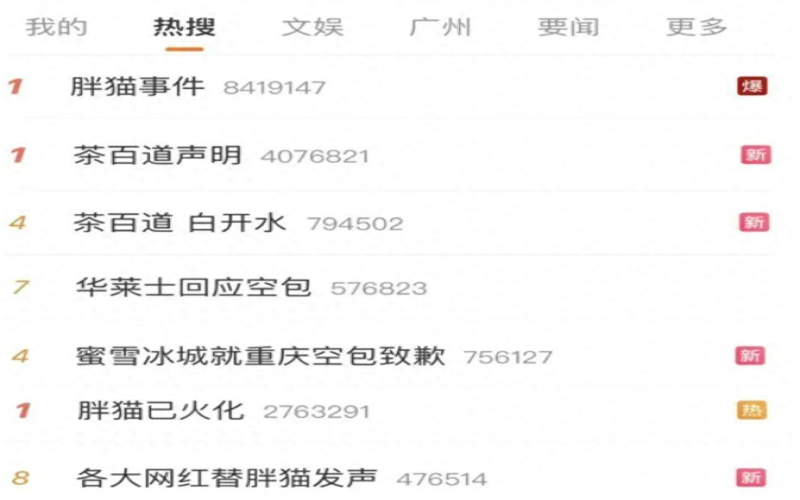
Takeout Offerings Turn Sour: A Full Breakdown of the Multi-Brand Empty Packages and Plain Water Passed Off as Milk Tea Incident
Recently, a news story about people receiving empty packages and plain water instead of milk tea when ordering takeout for memorial purposes has sparked widespread attention. The incident originated from a 21-year-old young man nicknamed "Fat Cat" who jumped into a river to take his own life due to a romantic dispute. Netizens from various places, sympathizing with his plight, spontaneously ordered takeout to be delivered to the Chongqing Yangtze River Bridge as a tribute. However, some of the takeout bags contained only empty packaging boxes and plain water disguised as milk tea, involving well-known chain brands such as Mixue Ice Cream & Tea and ChaBaiDao. Staff at the stores involved, believing remarks that "other stores are all sending empty packages," mishandled the orders, provoking consumer anger. Lawyers pointed out that this act infringes on consumers' right to be informed and constitutes consumer fraud. The brands have apologized and made rectifications one after another, and regulatory authorities have stepped in. Front Street Coffee reminds that under any circumstances, businesses should operate in good faith and respect every order. [more…]
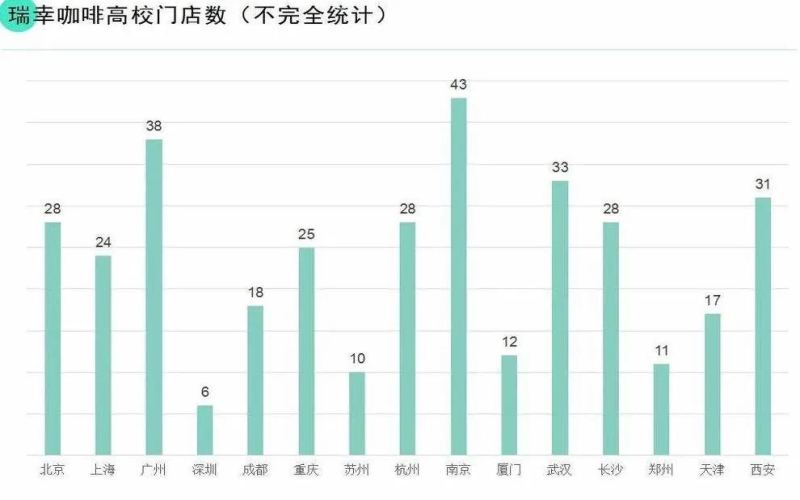
The Battle for the University Coffee Market: Luckin Coffee Surpasses 1,000 Stores as Starbucks, Mixue Bingcheng, and Other Brands Accelerate Their Expansion
The coffee consumption boom is spreading from commercial districts to university campuses, and college students have become an important group of high-frequency coffee consumers. Luckin Coffee has seized a first-mover advantage with more than a thousand campus stores, while brands such as Starbucks, Tims, Manner, M Stand, and NOWWA have also entered universities one after another, and Mixue Ice Cream & Tea's Lucky Cup is closely pursuing with about 260 campus stores. This article sorts out each brand's layout strategy, store data, and competitive situation on university campuses, and includes Front Street Coffee's specialty bean information, to help you understand the real landscape of the campus coffee track. [more…]